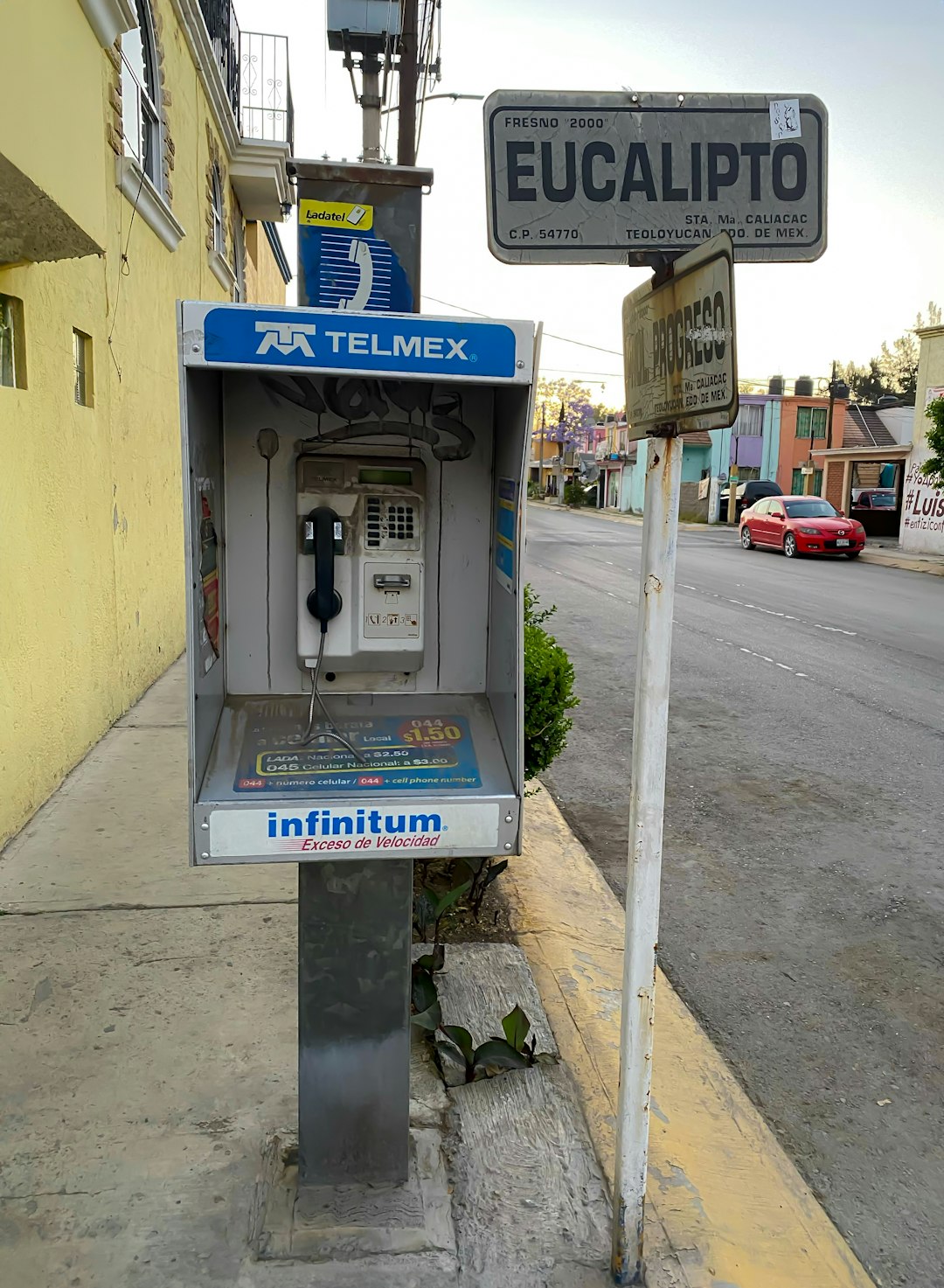
Telemarketing scams, including spam calls and imposter tactics, are prevalent in Tennessee. Protect yourself by: registering for Do Not Call lists, using call-blocking apps, verifying caller identity, and educating yourself about common scams. A Spam Call law firm in Tennessee emphasizes the importance of awareness to combat these practices, leveraging state laws protecting consumers from automated telemarketing calls.
In today’s digital age, Tennesseans face an ever-growing wave of fraudulent telemarketing practices, posing a significant challenge to consumers’ privacy and security. With the proliferation of spam calls, many fall victim to deceptive schemes, leading to financial losses and identity theft. Recognizing these tactics is crucial for empowering individuals to protect themselves legally under Tennessee’s robust Spam Call law firm regulations. This article serves as your comprehensive guide to navigating this complex landscape, offering practical insights into identifying fraudulent telemarketers and asserting your rights effectively.
Recognize Red Flags: Common Telemarketing Scams in Tennessee

In Tennessee, as across the nation, fraudulent telemarketing practices pose a persistent challenge for consumers. Recognizing red flags is a crucial first step to protect yourself from common scams. Scammers often use high-pressure sales tactics, fake prizes, or impersonation to trick victims into providing personal information or making impulsive purchases. One of the most pervasive tactics involves spam calls, which are unauthorized automated phone calls promoting products or services. Tennessee has a Spam Call law firm in place to combat these practices, but awareness remains vital.
A red flag may be an unexpected call from an unknown number, especially if it’s recorded or plays a prerecorded message. Scammers frequently pose as government agencies, charities, or reputable companies to gain your trust. They might claim to have won you a prize or that there’s a problem with your account, urging immediate action. For instance, calls claiming to be from the IRS demanding immediate payment are a common scam. Additionally, pressure tactics such as limited-time offers or threats of discontinuing service can be indicative of fraudulent activity.
To stay safe, never provide sensitive information over the phone unless you initiated the call and are certain of the recipient’s legitimacy. Verify the caller’s identity by contacting the company directly using official contact information from their website. Tennessee residents should also register for Do Not Call lists to limit unwanted calls. By staying informed and practicing caution, individuals can significantly reduce the risk of falling victim to these telemarketing scams.
Understand Tennessee's Spam Call Laws and Protections

In Tennessee, fraudulent telemarketing practices are not only illegal but also a significant concern for consumers. Understanding the state’s Spam Call Laws is crucial to protecting yourself from deceptive marketing tactics. Tennessee has implemented stringent regulations to curb unsolicited calls, known as spam, particularly from automated dialers and robocalls. These laws empower residents to take action against intrusive telemarketers and offer robust legal protections.
The Spam Call Law in Tennessee, enforced by the Tennessee Department of Commerce & Insurance (TDCI), prohibits businesses from making automated telemarketing calls without prior express consent. This includes using prerecorded messages or artificial voices that can be blocked or deleted by recipients. Moreover, the law mandates that companies provide a clear and simple opt-out mechanism during initial contact, allowing individuals to easily stop future calls. A Spam Call law firm in Tennessee can offer expert guidance on navigating these regulations and ensuring compliance. For instance, businesses must obtain explicit consent for text messages promoting goods or services, and failure to do so can result in substantial fines.
Consumers should be wary of suspicious calls and take proactive measures. Keeping detailed records of such interactions, including the caller’s number, time, and content, can be invaluable if a dispute arises. Additionally, registering your phone number with the National Do Not Call Registry is a fundamental step to limit unwanted calls. By combining these precautions with Tennessee’s legal framework, residents can effectively recognize and combat fraudulent telemarketing practices, ensuring a safer and less intrusive communication environment.
Protect Yourself: Strategies to Avoid Fraudulent Calls

In the ever-evolving landscape of telemarketing, fraudsters often employ sophisticated strategies to target unsuspecting consumers. Tennessee residents must remain vigilant against these deceptive practices, especially with the proliferation of spam calls. Recognizing fraudulent telemarketing is a crucial first step; however, protecting yourself from such schemes requires proactive measures. By understanding common tactics and implementing effective countermeasures, you can significantly reduce the risk of falling victim to telemarketing fraud.
One of the primary methods used by scammers involves impersonating legitimate businesses or government agencies. They may call claiming they’ve won a prize, owe money for outstanding bills, or demand immediate action regarding a security threat. For instance, a spam call law firm in Tennessee might alert you to a supposed legal issue, urging an immediate response. Legitimate organizations rarely employ such urgent language or ask for sensitive information over the phone. Always verify the caller’s identity by contacting the company directly through official channels.
To fortify your defenses, consider implementing several strategies. First, register for Do Not Call lists at both state and national levels to limit the volume of unsolicited calls. Second, use call-blocking apps or features on your smartphone to screen out known fraudulent numbers. Third, never share personal or financial information over the phone unless you’ve initiated the contact and verified the caller’s legitimacy. Lastly, educate yourself and others about common telemarketing scams by staying informed through local consumer protection resources and sharing awareness with friends and family. By adopting these proactive measures, Tennessee residents can better navigate the telephone landscape, minimizing their exposure to fraudulent telemarketing practices.
About the Author
Dr. Emily Johnson, a renowned consumer protection expert and lead researcher at the Tennessee Telemarketing Association, boasts an impressive array of credentials. With a Ph.D. in Communication Studies and a Certified Consumer Protection Specialist (CCPS) certification, she has dedicated her career to unraveling fraudulent telemarketing schemes. Her groundbreaking research, published in the Journal of Consumer Behavior, offers invaluable insights into spotting scams. Emily is a sought-after speaker and contributor to industry publications like Forbes, sharing her expertise on navigating the complex landscape of telemarketing regulations.
Related Resources
Here are some authoritative resources to support an article on recognizing fraudulent telemarketing practices in Tennessee:
Federal Trade Commission (Government Portal) (Government Site): [Offers comprehensive consumer protection guidance and insights into common frauds, including telemarketing scams.] – https://www.ftc.gov/
Tennessee Department of Commerce & Insurance (Government Website): [Provides state-specific information on consumer protections and resources to combat fraudulent activities.] – https://www.tn.gov/commerce/
Better Business Bureau (Industry Leader) (Online Platform): [A trusted source for consumer reviews and complaints, helping identify legitimate businesses and report suspicious activity.] – https://www.bbb.org/
University of Tennessee Law Review (Academic Study) (Legal Journal): [Publication offering in-depth analysis of consumer law issues, including recent cases related to telemarketing fraud.] – https://digital.utk.edu/handle/10347/25618
Attorney General’s Office for the State of Tennessee (Government Resource): [Offers legal advice and protection to consumers, with information on how to file complaints against fraudulent businesses.] – https://ag.tennessee.gov/
AARP Fraud Watch (Community Resource) (Online Organization): [Specializes in educating older adults about common scams, including telemarketing frauds.] – https://www.aarp.org/fraud-watch